
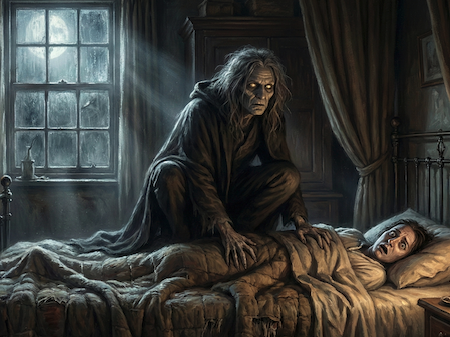
Imagine waking up, completely paralyzed, with a crushing weight on your chest and a shadowy figure looming over you. What if I told you our ancestors believed this terrifying experience wasn’t a medical anomaly, but a malevolent witch perched on your bed?
This blog post delves into the chilling history of sleep paralysis and the dark folklore that once blamed night hags for your most terrifying nightmares.
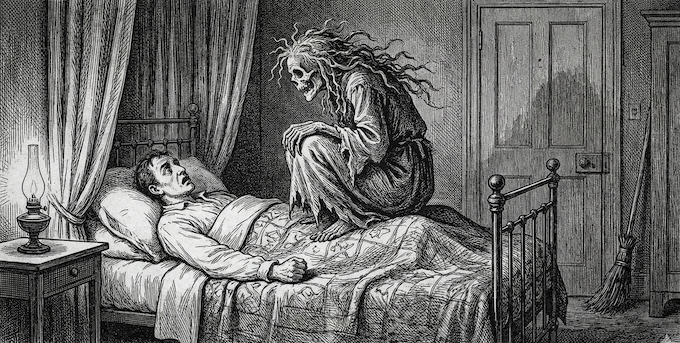
A Universal Fear With a Thousand Faces
Every era, every culture, and nearly every generation has come up with a name for that dreadful sensation of waking but being unable to move. Today we call it sleep paralysis — a quirky, unnerving mix-up in the sleep cycle where the mind wakes up before the body remembers how to follow orders. Modern science assures us that it’s harmless, even ordinary.
But our ancestors didn’t buy that for a second.
Instead, they reached for something far more dramatic (and honestly, more emotionally accurate) to explain the sheer terror of the experience.
Across Europe, the British Isles, the Caribbean, and the Americas, people pinned the blame on supernatural entities that slipped into bedrooms under cover of darkness.
But one figure dominated the lore more than any other: The Night Hag.
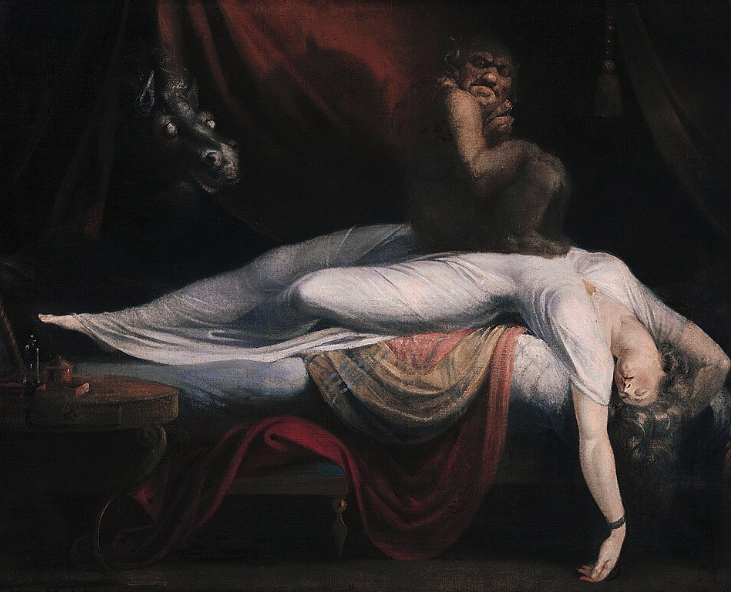
The Hag on the Chest
The term “hag-ridden” pops up in old newspapers, diaries, and oral stories like it’s just part of everyday vocabulary. And for many people, it genuinely was. To be “hag-ridden” meant you’d suffered through the night with an unseen witch sitting on your chest, squeezing the air out of your lungs, creeping close enough to whisper curses or steal your breath entirely.
A typical 19th-century account might read something like:
“I awoke to find myself unable to stir, my breath caught as though a great weight lay upon me. My grandmother swore I had been ridden by the hag.”
For families who grew up on superstition, the explanation made perfect sense. After all, how else could someone wake gasping, pinned to their bed, completely conscious yet unable to shout, run, or even twitch a fingertip?
Medical journals of the time weren’t much help either. Doctors offered vague explanations like “nightmare attacks,” “vaporous disturbances,” or “nervous disorders.” In some cases, physicians shrugged the whole thing off as bad digestion.
And when science shrugs, superstition steps in.
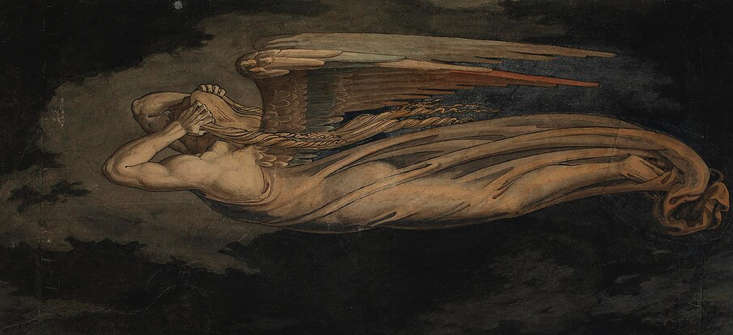
Folklore Never Sleeps
Night hags weren’t just isolated to one region. They were everywhere, lurking behind different names and cultural styles, but always playing the same role: nocturnal tormentor, breath-stealer, shadow-dweller.
In England and Scotland, the hag was a literal witch who slipped through keyholes or cracks in the wall.
Families blamed her for exhaustion, mysterious bruises, and even livestock troubles. Being “hag-ridden” wasn’t considered a dream. It was considered an attack.
In Ireland, the old hag took on a more spiritual aspect. She was often the spirit of a jealous or vengeful woman, sometimes even a dead relative, coming to settle unfinished business or punish misbehavior.
In Germany, she showed up as a nightmare creature that pressed on the chest and stole breath, and sometimes milk, depending on the version.
In Scandinavian countries, the Mara, a malicious spirit, sat on the sleeper’s chest, giving us the very root of the word “nightmare.”
In the American South, especially among Black communities, the hag took on the name boo hag.
She slipped into houses through cracks or even rode the victim’s body through the night, leaving them exhausted and “sucked dry” by morning. And the remedies for these attacks became an entire tradition in themselves.
No matter what culture you look at, the description is essentially the same: something sits on your chest, steals your breath, and leaves you helpless.
And it’s clear humanity didn’t just share the experience, we also shared the fear.
Newspaper Tales From a More Superstitious World
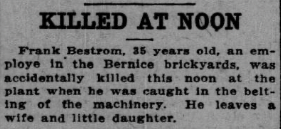
Digging through old newspaper archives, you start to realize just how widespread the belief in night hags truly was. Forgotten 1800s and early 1900s regional papers are filled with stories that fall somewhere between folklore and the “strange but true” columns editors loved to run.
How People Fought Off the Hag
And oh, the remedies. Folks didn’t just accept these nocturnal assaults. They fought back with the same stubborn creativity our species always musters when scared and underslept.
Here are the most common methods found in folklore and print:
1. Brooms by the Door
A classic. Witches supposedly couldn’t resist counting things. Leaving a broom by the door meant the hag would get distracted counting the bristles until sunrise. If that sounds bizarre, remember this is a world before Netflix. People had different ideas about entertainment.
2. Salt Under the Pillow
Salt has long been thought to purify and protect. Sprinkling it under (or around) the bed created a kind of invisible barrier that witches couldn’t cross.
3. Iron Tools Beside the Bed
Iron was a traditional anti-witch material. Households kept scissors, needles, or knives under the mattress to fend off hags.
4. Sleeping on Your Side
Some remedies were surprisingly practical. Many traditions recognized that sleeping on your back increased the risk of being “ridden.”
5. Red String or Thread
Tying a red thread around the toe or wrist was thought to confuse or repel malevolent spirits. The hag, supposedly enraged, would flee the home entirely.
6. Telling Someone
In some communities, especially in the Caribbean, the cure for a boo hag attack was simply talking about it. Naming the spirit broke its power. Silence, on the other hand, gave it more strength.
It’s worth noting that across all these cultures, people didn’t just fear the hag — they treated her as a real, physical threat invading their home.
Sleep wasn’t just a vulnerable state.
It was a battleground.

1 thought on “When Sleep Paralysis Was Blamed on Night Hags”
Comments are closed.