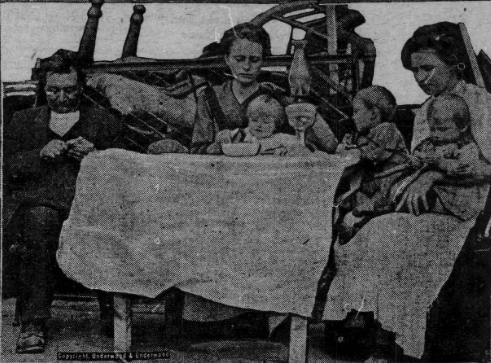
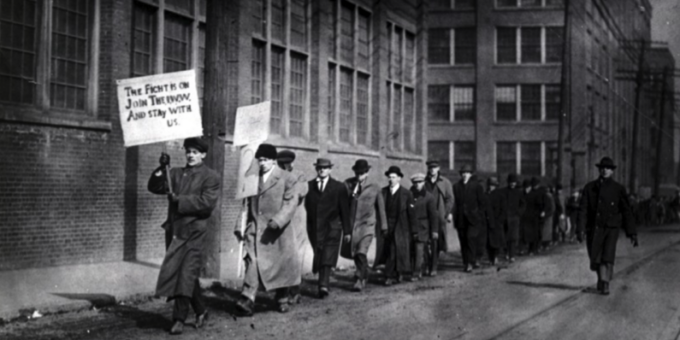
In the fall of 1912, the textile city of Lawrence, Massachusetts, was still raw from one of the most famous labor uprisings in American history: the Bread and Roses strike.
Mill workers had already endured low wages, dangerous working conditions, hunger, arrests, and violence in their fight for better treatment. By October, tensions had flared again over the imprisonment of labor leaders Joseph Ettor and Arturo Giovannitti, two men accused in connection with strike-related violence earlier that year.
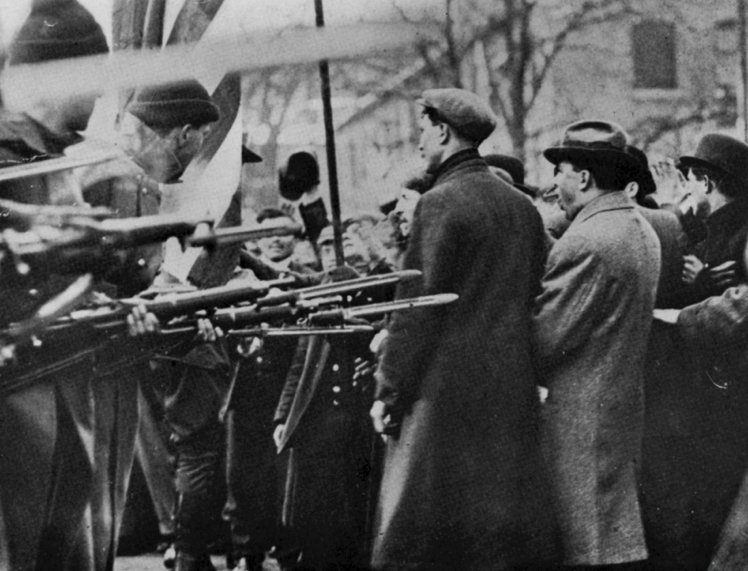
The demonstration described in this article was meant to be brief. It was a 24-hour strike in protest of the jailed leaders. But, instead, it turned into another brutal scene in the streets of Lawrence.
When workers at Mill No. 28 tried to return to their jobs, they were reportedly told their positions were gone. Police soon gathered at the mill gates with clubs in hand, and according to this account, charged the workers without warning.
The result was chaos. Men were beaten unconscious. The streets filled with injured strikers. Anger over the dismissals spread quickly, and hundreds more textile workers walked out in response.
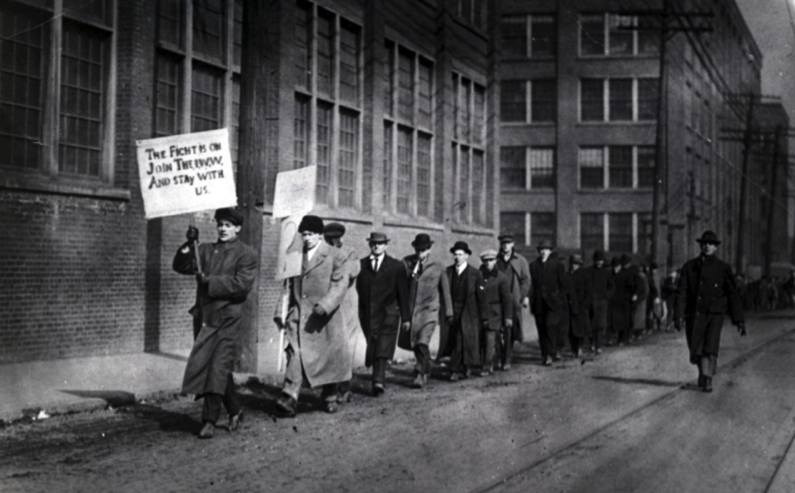
What began as a protest over two imprisoned labor organizers became another flashpoint in the long struggle between mill owners, police, and the immigrant workers who powered the textile industry.
This brief newspaper report captures the violence and volatility of the era. Behind its stark headline is a reminder of how dangerous labor activism could be in the early twentieth century, when striking workers often faced clubs, arrests, and bloodshed for demanding dignity on the job.
50 Clubbed Into Insensibility
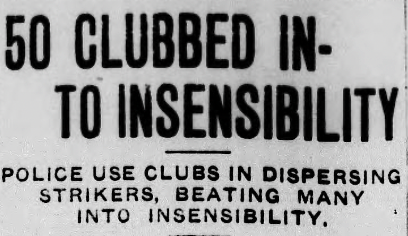
LAWRENCE, Massachusetts. — Fifty textile workers, who went on a 24-hour demonstration strike against the imprisonment of Joseph Ettor and Arturo Giovannitti, labor leaders, were clubbed into insensibility by the police here early today.
The trouble started when the gates to the mills were opened at six o’clock, when 200 employees of the mill, No. 28, started to return to work, they were told they could not have their positions back because some of the workers Saturday stoned the mill, breaking windows and machinery.
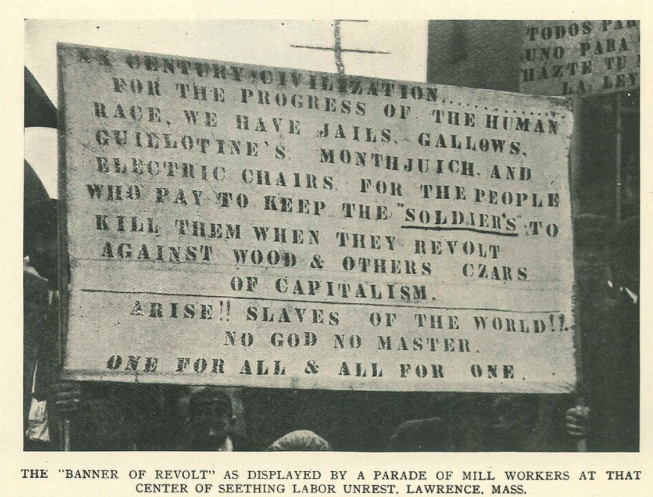
More than 40 policemen with drawn sticks suddenly appeared in front of the gates. Without ordering the men to disperse, the police charged, cracking many heads and the streets were covered with prostrate strikers.
Angered over the dismissal of the two hundred employees of Mill No. 28, 1500 men employed in the Wood, Ayer & Washington mills struck, declaring they would remain out until the discharged workmen were taken back.
Other employees are expected to join the walkout before noon. The police are preparing for further rioting.
Source: The Roundup Record. Roundup, Mont. October 4, 1912.