In 1919, beer could still make headlines even when no one was allowed to drink it.
As wartime prohibition tightened its grip across the United States, breweries found themselves trapped with barrels of beer they could no longer legally sell. Even low-alcohol “2.75 percent beer” became part of the strange legal and financial confusion surrounding the nation’s march toward full Prohibition.
In Chicago, that confusion spilled directly into the street.
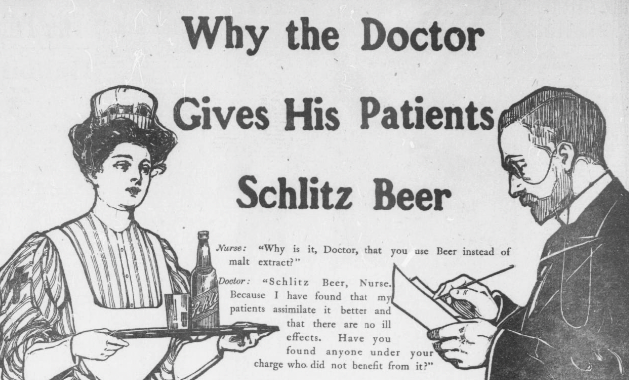
According to this 1919 newspaper report, 400 barrels of Schlitz beer (about 12,000 gallons) were deliberately dumped into the gutters of a north side street. The reason was not moral outrage or a police raid. It was taxes. Schlitz had already paid the federal tax on the beer, but once the law prevented the company from selling it, the brewery sought a refund. The government’s answer was simple: destroy the beer, and the tax money could be returned.
So, under the supervision of a United States revenue inspector, thousands of gallons of Milwaukee beer were poured away so the company could recover $2,400.
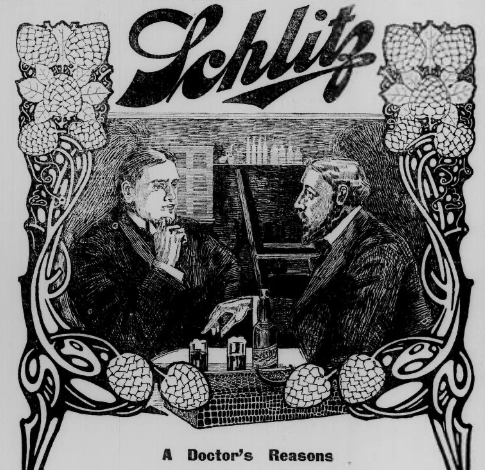
Today, the scene feels almost absurd: barrels of perfectly manufactured beer running down a Chicago gutter because the law had changed faster than the industry could adapt. But stories like this show the messy, often comical side of Prohibition’s early days, when breweries, tax collectors, and law enforcement were all trying to navigate a new dry America.
12,000 Gallons of 2.75 Beer Dumped in Chicago Gutter
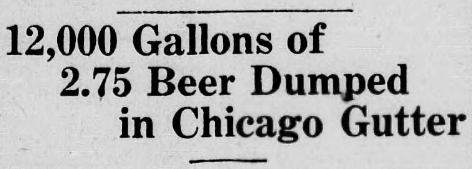
Four hundred barrels or 12,000 gallons in 2.75 percent beer, manufactured by the Schlitz Brewing Company of Milwaukee before wartime prohibition, was dumped into the gutters of a Northside street today by Otto R. Fuerst, United States revenue inspector, to enable the company to recover $2,400 in taxes previously paid the government.
Officials of the brewery recently called the attention of the revenue collectors to the fact that after having paid the tax of $6 a barrel on the beer, they were prevented by law from selling it.
They were told that the tax would be refunded if the beer was destroyed.
Source: Pine Bluff Daily Graphic. Pine Bluff, Ark. August 29, 1919.