At the turn of the twentieth century, desperation often drove the sick toward strange and unsettling remedies.
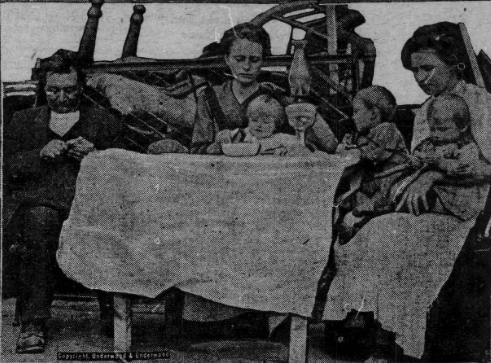
In New Orleans, one such treatment drew men, women, and even children to the slaughter pens each morning. They came carrying glasses, sometimes ruby-colored ones, hoping to disguise what they were about to drink. Many were suffering from tuberculosis. Others were weak, pale, and searching for anything that might restore their strength.
What they wanted was blood.
Fresh animal blood, taken warm from the veins, was promoted by some as a tonic and by others as a possible aid for those wasting away from pulmonary disease. The practice blurred class lines in a way few places did. Wealthy businessmen, society ladies, laborers, and drifters gathered together, united by illness and the hope that this “red milk” might offer relief.
Whether it helped them was uncertain. What is certain is that, in 1900, the sight of the blood drinkers had become one of New Orleans’ strangest morning rituals.
Blood Drinkers
“The fire eaters are dying out,” said a New Orleans pulmonary specialist, “but the blood drinkers are on the increase. Go down to the slaughter pens near the barracks any morning and you’ll see a crowd of them waiting for their daily draught, fresh from the animals’ veins.
“Most of the drinkers are people who show plainly the ravages of tuberculosis, but others are merely run down and debilitated and take the blood as a tonic. There are always women and children in the gathering, and while all classes of society are represented, it is one place, at least, where there are no caste distinctions.
“Their afflictions and the curious treatment they are taking give them a common meeting ground, and it is singular to see how they fraternize. You will find wealthy business men chatting confidentially with hobos, and society ladies swapping symptoms with women in ragged calico. It’s a queer sight.
“At first blush,” the doctor went on, “one naturally shrinks from the idea of drinking blood, but there is really nothing repulsive about it to sober second thought.
“A French physician, who was one of the first to introduce the treatment, didn’t tell his patients the real character of the fluid, but called it ‘red milk., which was a very good name, for it tastes almost exactly like fresh milk.
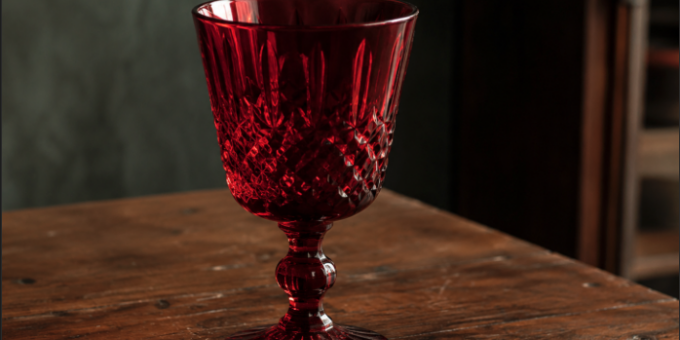
“Some people are never able to drink it, however, without first closing their eyes, and for the benefit of the squeamish, a lot of red glasses are kept on hand at the slaughterhouse. The tint of the glass disguises the color of the fluid, and they tell me it makes it much easier to take.
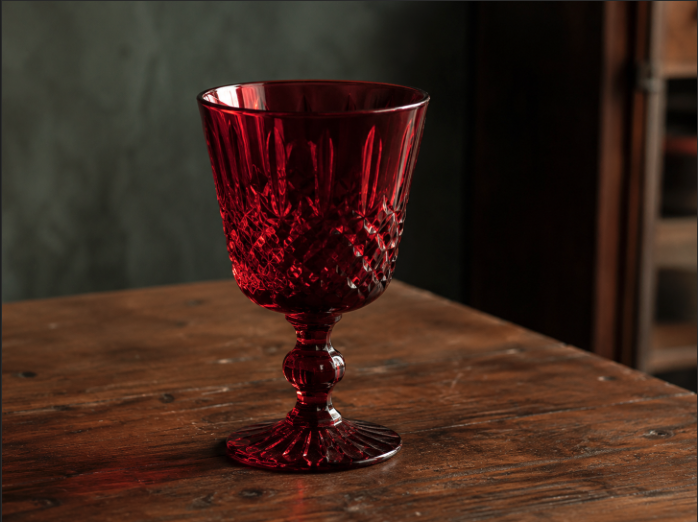
“Some of the patients have red glasses of their own, which they bring along with them, and when you see a thin, cadaverous individual trudging barracks-ward with a ruby goblet in his hand you may know the character of his errand. Most of the blood drinkers take about half a pint at a time and come, if possible, every morning.
“Several New Orleans butchers make a special point of catering to their trade and have fixed up little rooms for their accommodation, where they can get the blood fresh without seeing the killing.
“As to the actual benefits of the practice, I am not prepared to say. Whether the patient derives any real nutrition from the blood is a debatable question among doctors, but most of the drinkers themselves insist that they do.
“Up in the piny woods belt, which is a great resort for people with pulmonary affections, the country butchers have all the blood drinkers customers they can attend to. The improvement in many cases is marked and undeniable, but how much is attributable to ozone, and how much to blood, is another matter.”
Source: The Recorder. Indianapolis, Ind. August 25, 1900.