Waverly Moore was walking home from work when a train came up behind him on the tracks.
Beside him, as always, was his little dog. The animal had met him after his shift at the Seaboard Air Line shops and was accompanying him home when the Southern Express suddenly bore down on them.
Moore had only an instant to act. Seeing the terrified dog on the track ahead of him, he bent forward, grabbed the animal, and threw it clear. The dog lived, but Moore was struck and killed.
Afterward, the faithful pet refused to leave him. It stayed beside his body, followed the undertaker’s wagon, kept vigil near the casket, and later returned to the place where its master had died saving its life.
Saved His Pet Dog
Under a recent date a Richmond (Va.) correspondent writes that, with grief according to its kind, a faithful dog mourned the other day when its master, Waverly Moore, was buried. Moore sacrificed his life for the dog. Until the casket was removed, the dog kept vigil and then ran to the spot where Moore was killed by a train.
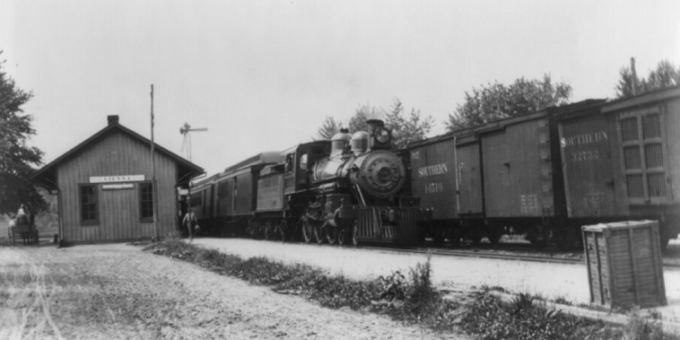
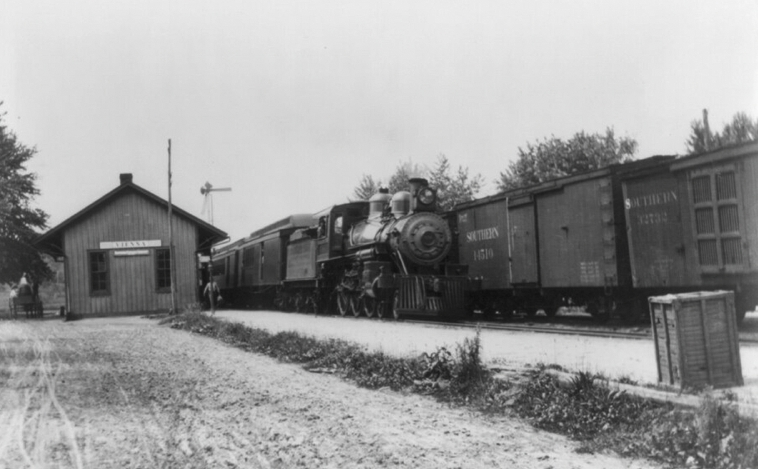
Moore was a machinist and lived with his wife and mother. When he left his work Wednesday night in the Seaboard Air Line shops, his little dog was there as usual to accompany him home. Moore was wearied after his day’s work and was walking along the mainline tracks over which the fast trains pass, when the Southern Express approached from behind.
Neither Moore nor his companion heard the Express until it was upon them. A shrill whistle was the first warning and it came too late.
Moore glanced around and saw that the engine was almost upon him. He was apparently unmindful of himself in the presence of the sudden danger.
The dog was trembling from terror a few paces in front of him. Moore made a mighty effort, and bending forward, grasped the dog and threw it clear of the track. The next instant, the Express Train struck him and hurled his lifeless body high in the air. But the dog was saved.
Two tramps witnessed the tragedy. They say that Moore could probably have saved himself had he not overlooked his own danger and turned to the dog.
From the time his master was killed, the dog remained beside the body. He followed the undertaker’s wagon, and was allowed to take his place beside the casket, where he watched until the time of the funeral, when he was taken away from the sad scene.
Source: The Washington Bee. Washington, D.C. December 13, 1902.