In the autumn of 1920, Americans frustrated by the rising cost of restaurant meals began fighting back with one of the simplest weapons available to them:
They packed a lunch.
The “bring your lunch” movement encouraged workers and other regular restaurant customers to stop buying midday meals until proprietors lowered their prices. Rather than organize marches or carry protest signs, participants carried sandwiches, fruit, and whatever else could be prepared at home. Every empty restaurant table was intended to send a message.
The campaign developed as Americans were struggling with high prices following World War I. Food costs had risen sharply, and the price of eating away from home became one more target for consumers who believed businesses were charging too much.
According to a brief item published in The Milwaukee Leader, the movement spread rapidly across the country and attracted participants from beyond the ordinary office or factory crowd. Even members of New York’s theatrical world joined in.
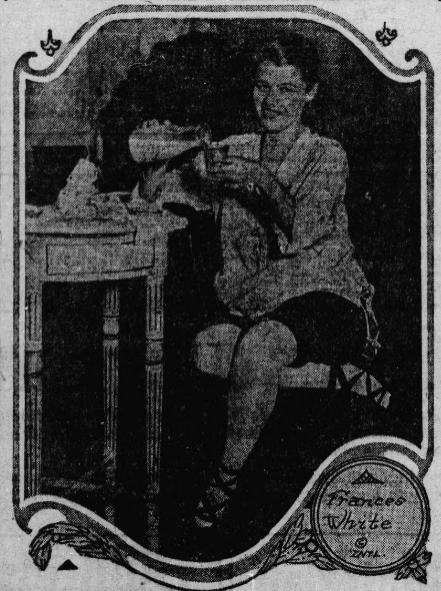
Performer Frances White was offered as proof. Instead of climbing into her limousine and heading to a restaurant during rehearsals for a new musical production, she remained in her dressing room and ate the lunch she had brought with her. The image of a theater performer giving up a fashionable midday outing helped turn an ordinary cost-saving measure into a small public protest.
Bring Your Lunch Drive

The “bring your lunch” movement as a means of forcing a cut in restaurant prices is rapidly developing throughout the country.
In New York even theatrical folk have joined the movement. Here is Frances White, who, instead of jumping into her limousine to go out for lunch, eats in her dressing room while rehearsing for her new musical show.
Source: The Milwaukee Leader. Milwaukee, Wis. October 7, 1920.