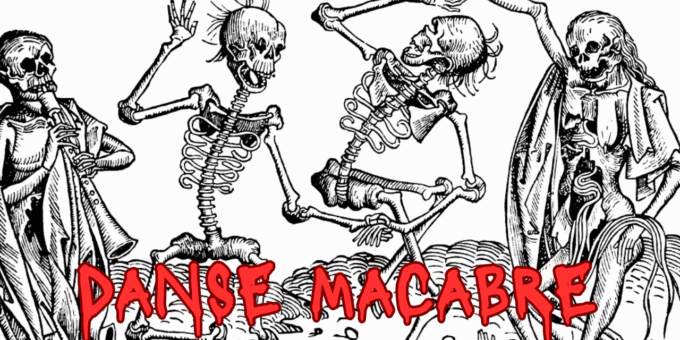
In the shadow of the Black Death, a chilling figure emerged from the depths of European imagination – a grinning skeleton with outstretched arms, inviting kings, peasants, monks, and maidens to join him in one final dance.
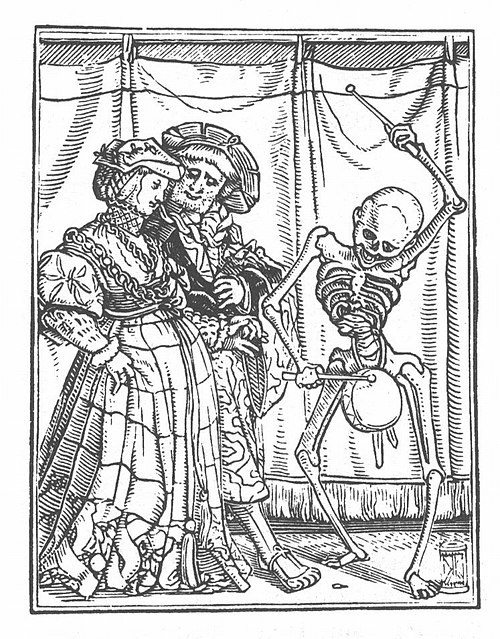
This was the Danse Macabre, or “Dance of Death,” a macabre allegory that spread like wildfire through medieval Europe. At a time when death lurked around every corner, this eerie motif reminded the living that no one – not the wealthy, not the pious, not the innocent – could escape its skeletal embrace.
The Danse Macabre was more than just art – it was a statement.
Painted on church walls, carved into tombstones, whispered in plays, and echoed through haunting verses, the image of death as a robed or naked skeleton waltzing hand-in-hand with the living captured the anxiety of a world ravaged by plague. The dance was democratic. Death played no favorites. Everyone, from pope to pauper, must eventually fall in step.
Its origins are deeply rooted in medieval drama and religious morality plays, where the Dance of Death served both as grim entertainment and spiritual warning. These depictions warned viewers to live virtuously, for death could come at any moment, often without warning.
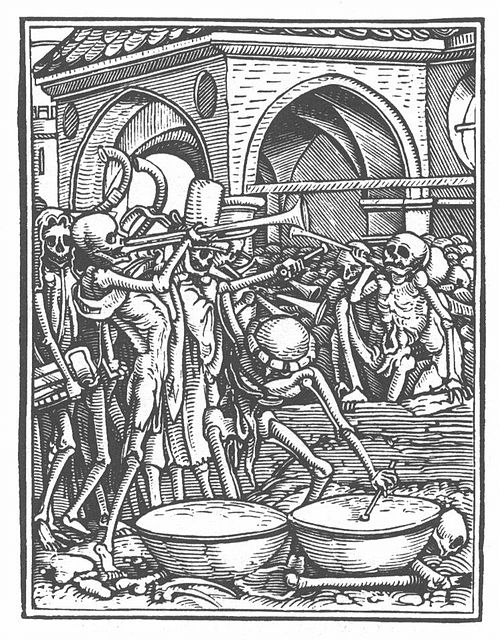
What made the Danse Macabre so enduring was its theatricality. Death was not a silent reaper but an animated figure – sometimes mocking, sometimes solemn – who spoke, sang, and danced the living to their graves. The imagery, while grotesque, resonated. In an era without antibiotics or answers, art filled the silence left by so much death.
From the frescoes of France and Germany to the painted beams of English chapels, the Danse Macabre wove itself into the very architecture of fear and faith. Over the centuries, it would inspire generations of writers, poets, composers, and painters, from medieval scribes to Romantic-era artists and even modern Gothic culture.
The Danse Macabre still speaks to us. In a world shaped by mortality and uncertainty, it is a haunting reminder of our shared fate – and of the strange beauty found in dancing with death.