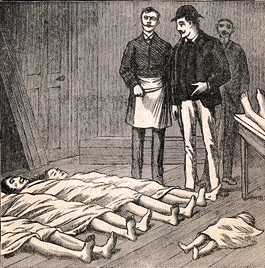
Imagine this: it’s a foggy night in 1850. The cemetery is quiet, except for the sound of a shovel scraping through the earth. Someone’s digging, not to bury the dead, but to steal them.
Today, we’re uncovering five shocking reasons people robbed graves in the 1800s.
From stolen jewelry to the business of false teeth, grave robbing wasn’t just morbid curiosity. It was profit, desperation, and sometimes even science, all rolled into one grim trade.
1. For the Jewelry
First, the simplest motive was greed.
Victorians loved their burial jewelry: gold rings, lockets of hair, silver crosses, and pocket watches went into the coffins right along with the deceased.
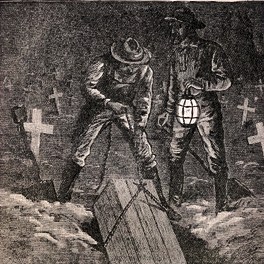
Thieves, often local gravediggers or even relatives of the dead, knew exactly where to look.
They worked fast, pocketed what they could, and vanished before sunrise.
Families rarely reported the crime – not because they didn’t care, but because admitting a loved one’s grave had been disturbed was humiliating.
It was easier to pretend nothing had happened.
2. To Sell Fresh Corpses to Medical Schools
Now this next reason was the real money-maker.
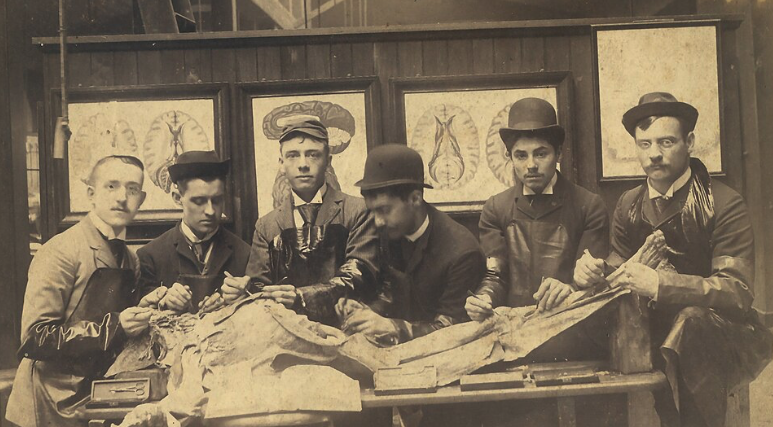
In the 1800s, medical schools needed cadavers for anatomy lessons, but legal donations were scarce.
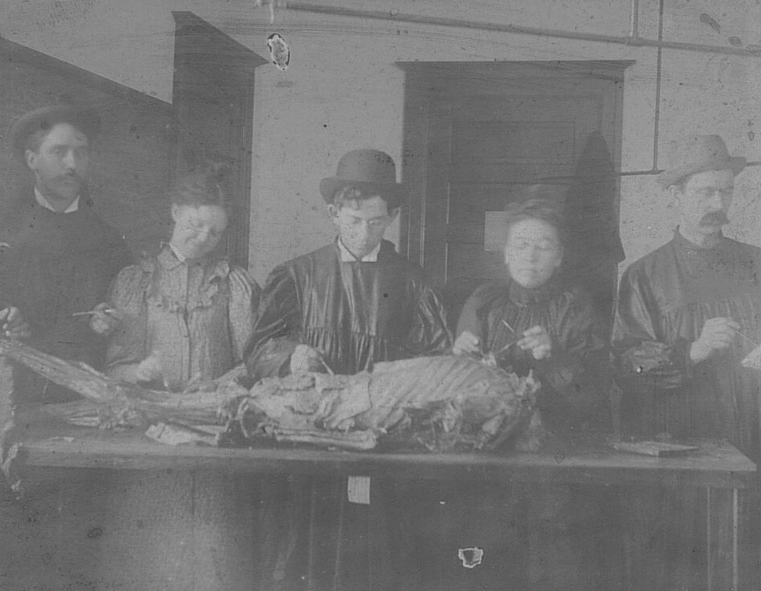
So professors turned a blind eye while “resurrectionists” (professional body snatchers) supplied them with fresh corpses from the local cemeteries.
A newly buried body could sell for the modern equivalent of several thousand dollars.
Entire gangs formed around this trade, digging up graves hours after funerals.
In cities like London, Philadelphia, and New York, the practice became so common that families installed iron cages, called mortsafes, to protect their dead.
Even then, a determined resurrectionist usually found a way.
3. To Make Skeletons for Anatomical Display
Now not every body was fresh enough for dissection, but that didn’t mean it was worthless.
Medical schools and museums wanted full skeletons that were clean, articulated, and ready for display.
Grave robbers would strip decomposed bodies, boil the bones, and sell the skeletons to universities or private collectors.
By the mid-1800s, you could even order human skeletons through medical supply catalogs with no questions asked about where they came from.
4. To Steal “Human Oddities” for Collectors
People born with deformities or unusual features were often exhibited in sideshows while they were alive and tragically, even in death, their bodies were seen as curiosities.
The fourth reason graves were robbed was because collectors, doctors, and so-called “scientific men” paid for these remains.
Grave robbers targeted them specifically, sometimes hired by the same people who had exploited the deceased in life.
There were even museums of “medical curiosities,” displaying human remains taken without consent, under the guise of education.
5. To Steal Teeth for Dentures
And finally, human teeth were big business.
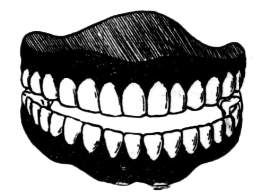
In the early 1800s, dentures were often made from real human teeth.
Grave robbers, and even battlefield scavengers, stripped corpses for their molars.
The finest dentures were known as “Waterloo Teeth,” taken from soldiers killed in battle and sold to dentists across Europe.
Others came from freshly buried paupers and executed criminals.
For the wealthy, those shining white smiles often came at a terrible cost. Not that the wealthy actually cared where their new teeth came from.
So there you have it. Five shocking reasons people robbed graves in the 1800s.
From gold rings to skeletons, from anatomy labs to the dentist’s chair, the dead were treated as merchandise.