In April 1913, the hills around Finleyville, Pennsylvania, shook with the force of a mine explosion so violent it shattered windows hundreds of yards away. Deep inside the Cincinnati mine, more than a hundred men were trapped in darkness, smoke, wreckage, and deadly after-damp.
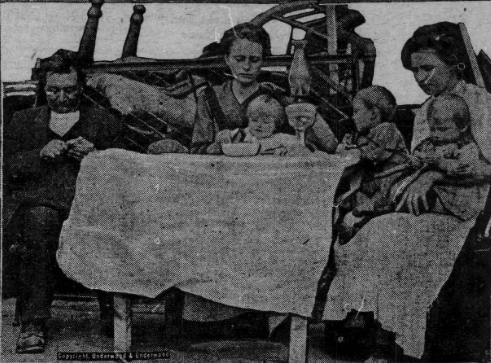
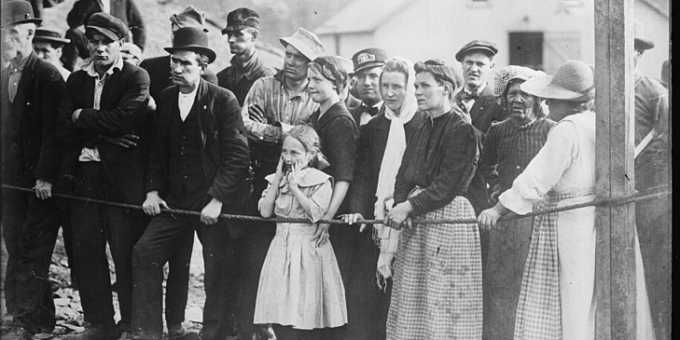
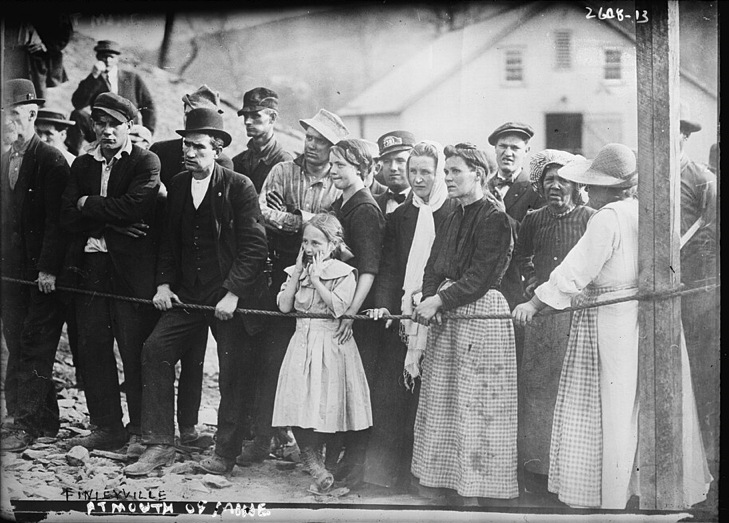
Outside, families gathered in terror, listening for any sign of life beneath the ground. Faint tapping could still be heard against pipes and debris, giving hope that some of the entombed miners might yet be alive. But as rescue crews pushed their way through the damaged workings, bracing fallen roof, and battling poisonous gases, the scale of the disaster became horrifyingly clear.
Bodies were found near the entrances, suggesting many of the men had survived the blast itself only to be overtaken while trying to crawl toward safety. By the time this report was published, seventy bodies had already been located, with many more men still believed trapped below.
The Cincinnati mine had exploded and burned before, but this disaster became one of those grim coalfield stories where fire, gas, and failing ventilation turned an ordinary workday into a mass death underground.
Mine Explosion Traps 100 Men; 70 Bodies Found
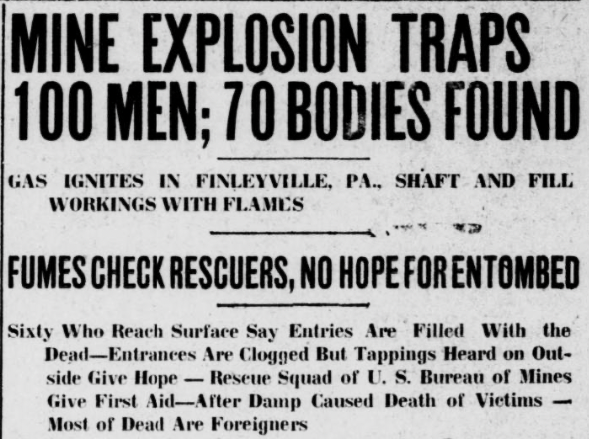
FINLEYVILLE, Pennsylvania. — There are 110 counted as dead and 100 believed to be entombed in the Cincinnati mine of the Monongahela River Consolidated Coal and Coke Company, at Finleyville, which was fired by an explosion yesterday afternoon.
The flames which prevented rescue work for many hours have been subdued sufficiently to permit squads to go in.
More than three score workmen made thrilling escapes, crawling most of the time on their hands and knees through deadly gas fumes and over debris. Many were badly burned.
Seventy bodies have been brought to the entrances and the work of recovery continues.
Faint tappings against pipes and debris in the mine are plainly heard by a frantic crowd of men, women, and children outside the mine.
Most of Dead Aliens
Two-thirds of the victims are foreigners.
The bodies were located by rescuing squads of the United States Bureau of Mines, the Monongahela River Consolidated Coal and Coke Company and the Pittsburg Coal Company.
As the rescuers found a body, it was carried to an entrance. None, however, was brought to the surface.
Preparations are being made to handle the dead. Box cars have been ordered to a mine siding. It is announced the victims will be taken from the mine and shipped at once to Monongahela City to be prepared for burial.
Rescue work is hampered by after damp.
The federal mine rescue car stationed at Bruceton, Pa., left there for Finleyville immediately on receipt of news of the disaster.
Conditions in the mine, as far as it could be penetrated, indicate that most of the men were not killed by the explosion, but were caught by after-damp.
The bodies were found scattered in the entrance, where death by asphyxiation overtook the victims, while they were attempting to reach safety.
A theory as to the cause of the explosion, advanced by some of the men, who escaped, is that an old mine running parallel with the Cincinnati mine was filled with gas, which escaped through a crack in a concrete wall separating the mines, and caused the explosion.
Corps Enters Mine
Immediately a first aid corps entered the Mingo entrance of the mine and another the Courtney entrance. The work of rescue was carried on with difficulty.
As the men made progress recovering the bodies, making openings through heavy piles of debris, bracing portions of the mine roof and wall, they also strung a telephone line in order to keep all parts of the mine in communication.
The explosion was so powerful that windows within several hundred yards of the mine were shattered. The mine is a slope digging and has no shaft.
The explosion deranged the funhouse and destroyed all ventilation facilities. It is not the first time the Cincinnati mine has exploded and been on fire.
Source: East St. Louis Daily Journal. East St. Louis, Ill. April 24, 1913.