In 1922, California was experimenting with a new idea: if children could not reliably get to school, then school would have to go to them.
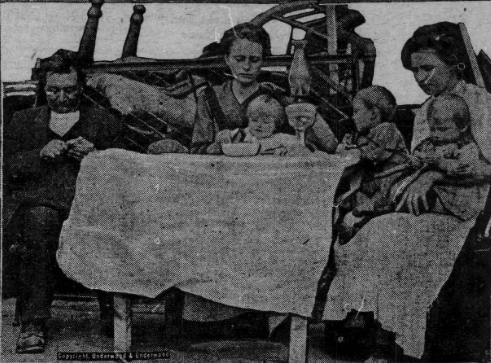
A year earlier, the state had passed a migratory school law aimed at children whose families moved too often for regular attendance. These were the sons and daughters of traveling workers, roaming families, and those living without permanent homes. Without steady schooling, officials feared the children would grow up neglected and more likely to fall into trouble.
The answer was education on wheels.
According to a report given to Governor W.D. Stephens, California’s mobile school effort was already showing promise. More than 1,000 children had been reached in some form, and officials believed the program had helped reduce juvenile delinquency among children who had once been left outside the school system entirely.
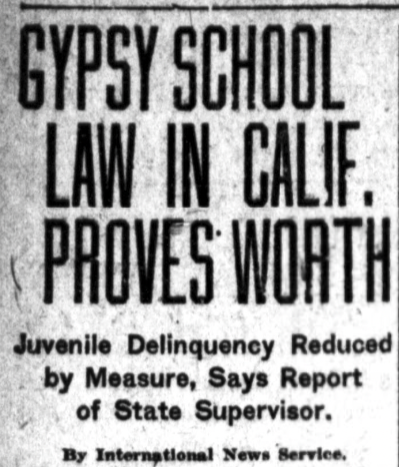
Gypsy School Law in California Proves Worth
SACRAMENTO, California. — Schools on wheels are a success.
To meet the growing problem of the child without a permanent home, the California legislature a year ago passed the migratory school law in order to take education to those whose homes shifted so frequently they were unable to attend regular schools.
Already juvenile delinquency and the growth of lawless tendencies through lack of proper training have been greatly decreased in California by the educational opportunities offered to more than 1,000 formerly neglected children under the provisions of the law, according to a report to Gov. W.D. Stepens by Georgianna C. Carden, State Supervisor of School Attendance.
Approximately 200 children of migratory families have been instructed under the direct supervision of the State Department of Education in the last year, Miss Carden said, and more than 1,000 others have been helped to educational training by exacting administration of the new statute in every county in California.
The report pointed out the work of educating children of migratory families is rapidly passing the stage of experimentation and that literally thousands will be given assistance during the next year.
Source: The Washington Times. Washington, D.C. July 16, 1922.