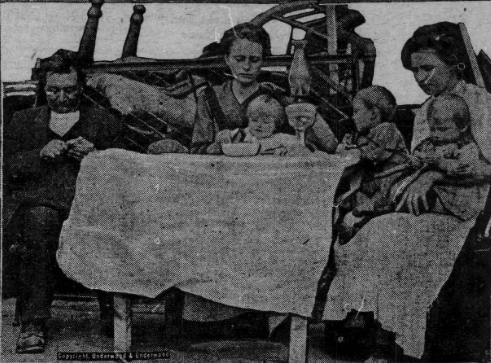
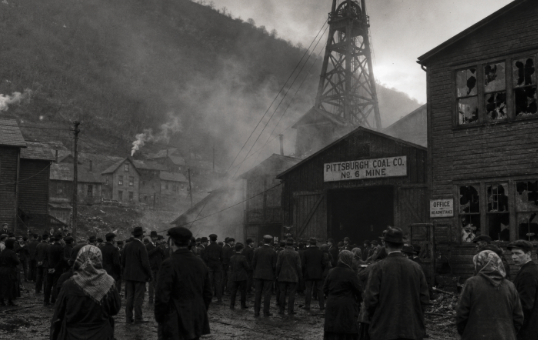
At the turn of the 20th century, coal mining was not merely dangerous work. For many miners, it was a job that slowly destroyed the body while paying too little to escape the conditions that caused the damage.
During testimony before a 1902 strike commission in Scranton, Pennsylvania, doctors described miners suffering from asthma, rheumatism, burns, broken backs, and lungs blackened by years underground. One physician went so far as to condemn the mine ambulance system as dangerously unsanitary.
The testimony also revealed another grim reality: injured miners often could not afford the doctors treating them, and many eventually ended up in poorhouses.
What emerged was a bleak picture of an industry in which men risked their lives below ground and still struggled to earn enough to maintain what witnesses considered even a decent standard of living.
Bad Condition Shown By Medical Testimony
SCRANTON, Pennsylvania. — Expert medical testimony brought out before the strike commission today shows that miners usually have asthma or rheumatism. Dr. Robert Gibbons was the first witness called.
Dr. Gibbons said that no child under 15 should be allowed to enter the employ of the mines and that no man should be employed without prior medical examination.
This would prevent lung diseases where there was predisposition to such affections.
The largest number of cases in his practice were burns from powder and oil explosions. He had most always found pieces of coal driven into the bodies of the injured. Many other of his cases were results of injuries from falling roofs, a number of such being broken backs.
Dr. Gibbons thought that insufficient protection was given the miners to present such accidents.
One important statement of Dr. Gibbons was that he never expected to secure payment for the services he rendered miners. They were willing to pay, but their incomes were not sufficient to enable them to live and pay doctors’ bills.
He also declared that the ambulance service in the mines was simply rotten. The vehicles were kept in the mule stables, and every ambulance of the great region was a mass of infection, carrying death and disease to those riding in them.
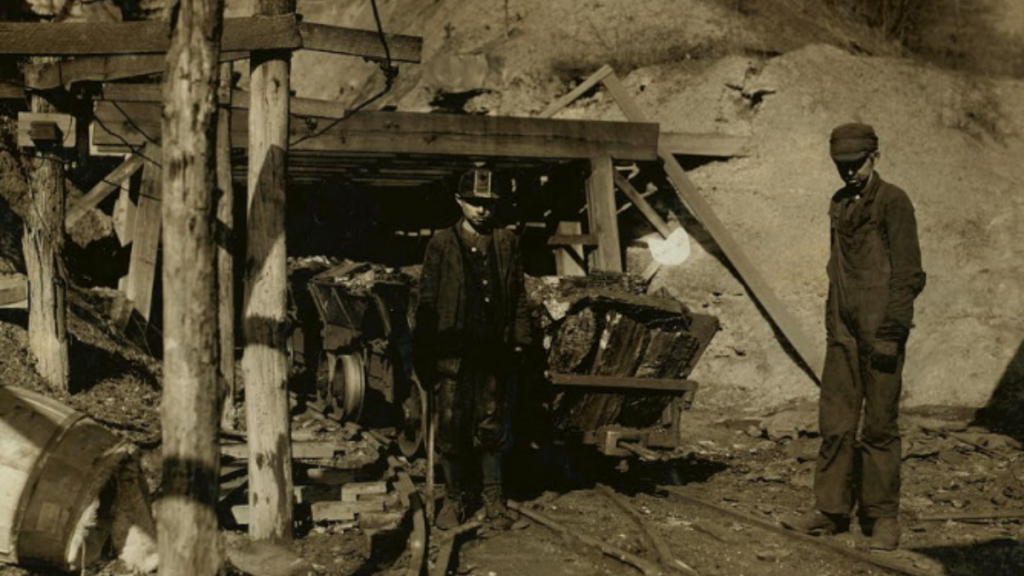
Dr. Butler, superintendent of the Wilkes Barre poorhouse followed Dr. Gibbons and said that 70 percent of the inmates of the poorhouse were miners. He had performed many autopsies and invariably found the lungs of the dead men black and badly diseased.
Questioned further he said the blackened condition remained many years after the miner had given up his occupation.
Rev. Roberts resumed his testimony and Darrow, counsel for the miners, read portions of Mr. Roberts’ book purposely omitted by the operators’ counsel, thus putting a very different light on its statements.
Roberts said the poverty limit of a workman with an average family of five children was $475 a year, and that the result of long investigation showed that miners get from $400 to $450 a year. He emphatically stated that it was insufficient to maintain even a decent standard of living.
Source: The Spokane Press. Spokane, Wash. November 21, 1902.