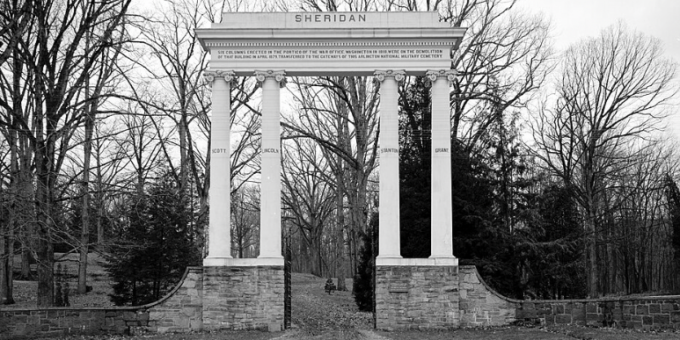
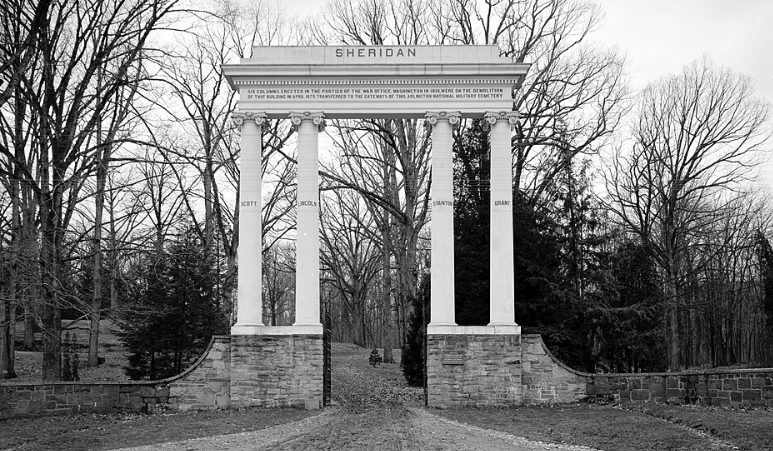
In March 1927, a disturbing discovery was made just inside the walls of Arlington Cemetery.
A truck driver working at the cemetery found the body of a newborn baby wrapped in a towel and paper near the South Gate. The child appeared to have been left there only a short time before.
Authorities disagreed over who should handle the case, and the investigation was eventually taken up by the military. Meanwhile, neighbors reported seeing a touring car parked near the area for an unusually long time the night before.
With no known identity and few clues, the baby was buried in a makeshift grave among the cemetery’s unknown soldiers.
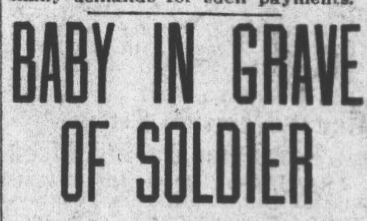
Baby In Grave Of Soldier
The body of a baby, wrapped in a towel and paper, found inside the wall of Arlington Cemetery, near the South Gate, Saturday night, shares an unknown soldier’s grave in the old section of the plot.
The body was found by Willett Brunt, a truck driver, employed at the cemetery, within 100 yards of where the body of Harry Miller was found a few months ago.
The matter was reported to Robert Dye, superintendent of the cemetery, who notified army surgeons at Fort Meyer. They said today that the baby was apparently strangled in birth and was delivered without professional aid,
Lieutenant Colonel Robert Sterrett, commanding officer at the cemetery said the matter was reported to Arlington County authorities, who refused to act, and the matter was taken in hand by the military authorities.
Arlington County authorities say they knew nothing of the matter.
The body was buried in a makeshift grave between two unknown soldiers’ graves — in them, in fact.
Although the only known investigation is being conducted by a board of Army officers, neighbors report that a touring car parked near where the body was found for an unusual length of time Saturday night, despite the “no parking” signs.
Decomposition had not set in, they say, proving the child had been delivered but a short time. The body had not been thrown over the wall, but apparently had been laid down carefully.
Source: The Washington Times. Washington, D.C. March 10, 1927.