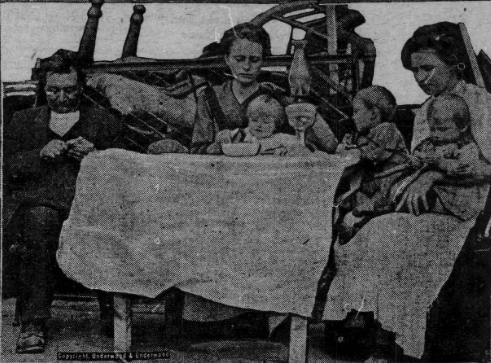
At the beginning of the 20th century, doctors were still trying to understand what caused cancer, and some of the theories now sound deeply unsettling.
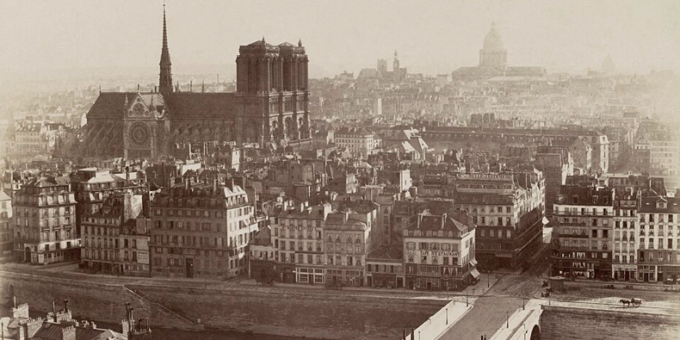
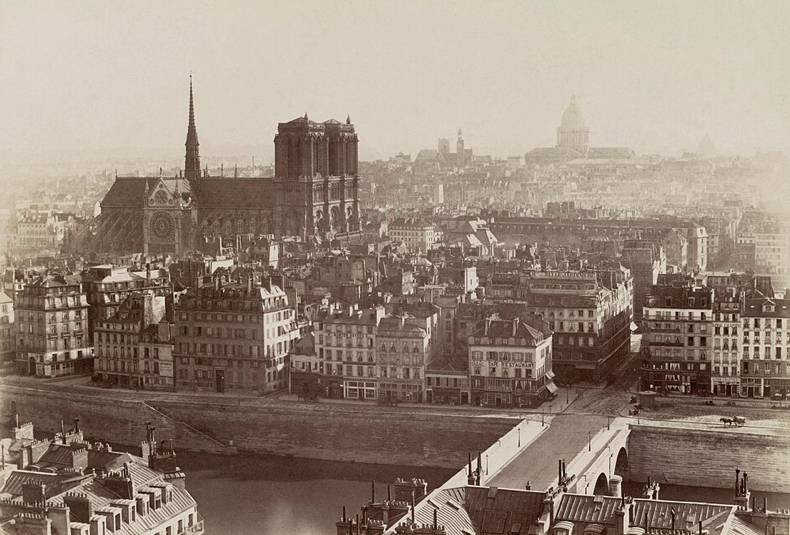
In Paris, health authorities became convinced that houses themselves might somehow harbor the disease.
They believed rooms once occupied by cancer patients could remain dangerous even after the patients had died, potentially exposing future residents.
To investigate, officials compiled a list of more than 1,000 homes where cancer deaths had recently occurred and planned to watch them for new cases.
The theory was based on clusters of cancer deaths in certain houses and neighborhoods, raising fears that the disease might linger in buildings like an infection.
Cancer Germs Infect Houses, Doctors Claim
PARIS. — The sanitary authorities of Paris have reached the conclusion that houses can be infected with cancer and that rooms which patients have inhabited will convey the disease long after the victims are dead.
Observation seems to prove that in houses where death from cancer has appeared the disease often breaks out again when occupied by other families. This fact has so often been noted that now a census has been taken to see about houses where cancer patients have died during the last six months of 1908.
There are 1,062 houses on the list which will be watched to see if new residents become infected with the disease.
Already in twelve of the houses there have been two successive cases, not counting five old asylums where there have been 26 deaths from the same disease. Dr. Armando reports that in a village of 400 inhabitants there were in a space of seven years eleven deaths from cancer, all practically occurring in the same block of houses.
Source: Albuquerque Morning Journal. Albuquerque, N.M. September 13, 1907.