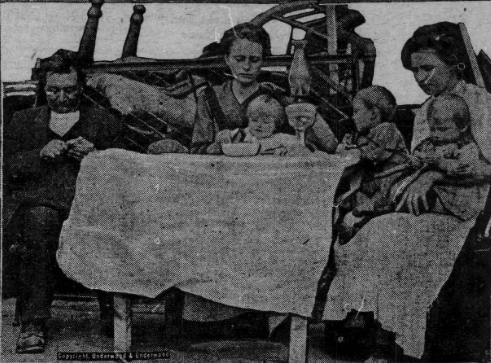
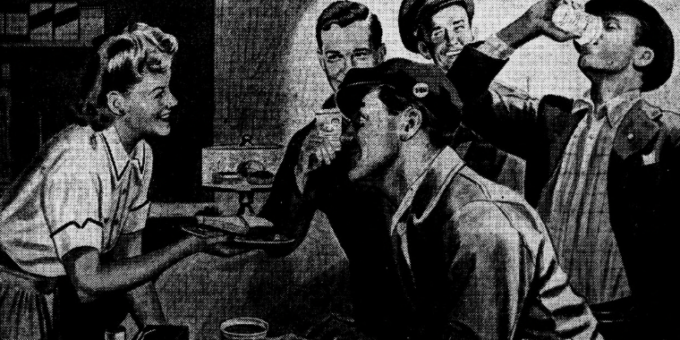
In the early 1900s, public health officials were trying to convince Americans to abandon one of the most ordinary, and potentially unsanitary, habits of daily life: sharing the same drinking cup or dipper.
The solution seemed simple enough. Everyone should use an individual disposable cup. The problem was getting people to pay for them.
In 1913, health officials began looking at advertising as a possible answer. Businesses already spent money handing out fans, matchboxes, cards, and other promotional novelties. Why not print advertisements on paper drinking cups instead and give those away? The idea could put a merchant’s name directly into people’s hands while encouraging a new public health habit at the same time.
The inspiration reportedly came from an unusually practical political campaign in Carthage, Missouri, where a candidate for sheriff advertised himself on drinking cups. As one newspaper joked, perhaps he wanted his name “on everyone’s lips.”
Why Not Give Drinking Cups Instead of Fans?
One of the greatest difficulties in connection with getting people to use individual drinking cups on all occasions has been the cost of these cups. They cost from two cents each to six for a cent, but even at six for a cent there are thousands upon thousands of poor people who will not “waste the cent.”
At least to them is appears wasteful. Why should they spend a cent for cups to drink out of when they can drink out of a tin dipper forever without any expense?
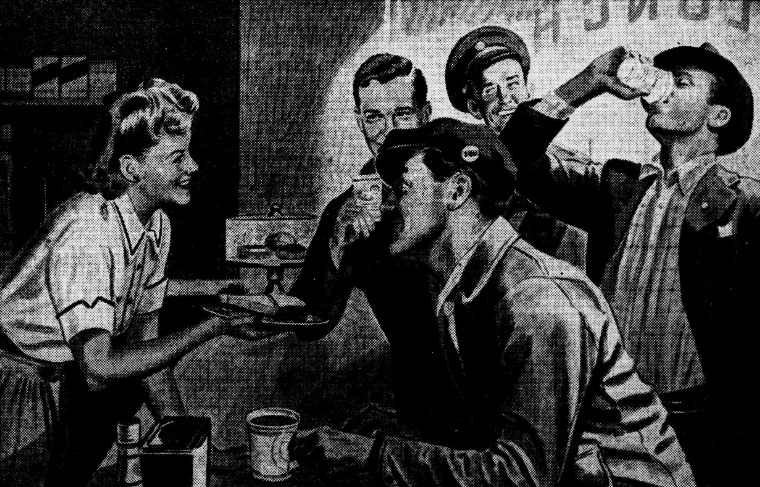
The health officials in a number of cities realize this drawback, and in working together for some means to improve this and to get everyone in the habit of using individual drinking cups, they have seized upon the idea of free cups.
In many places these waxed cups are furnished free, but by no means in the majority of places. It has been called to the attention of these health officials that there are thousands of business men who annually send out advertising in the form of fans in summer, cardboard matchboxes in winter, and such things.
An effort is now to be made to get these business men, manufacturers, storekeepers, ice and coal dealers and such people to make their advertising on paper drinking cups and give them away. In this manner the poor may always have individual drinking cups and the advertising also became widespread as it was before.
Out in Carthage, Mo., a candidate for Sheriff thought of the original plan of advertising his political campaign by means of drinking cups. It was this that gave health officials the idea of carrying the advertising still further.
These cups bore the picture of the candidate and a statement about his candidacy. He wanted his “name on everyone’s lips,” perhaps. At least, his advertising was useful and helpful, while the old-style cards would have been valueless and thrown away.
There seems no doubt but what this might prove of value in promoting the individual drinking cup habit, the benefits of which are too well known to need discussion.
The local grocer, butcher or coal man is sure to keep his name before the house-holders much better on a drinking cup than on a fan, for fans are seldom used, especially about a busy kitchen and something useful generally appeal stronger to such people.
Such drinking cups are now made in various forms, some pressed into shape and others made to fold flat and thereby fit easily into a pocket or an envelope for traveling, picnic and the like.
Source: Atlanta Georgian. Atlanta, Ga. January 4, 1913.