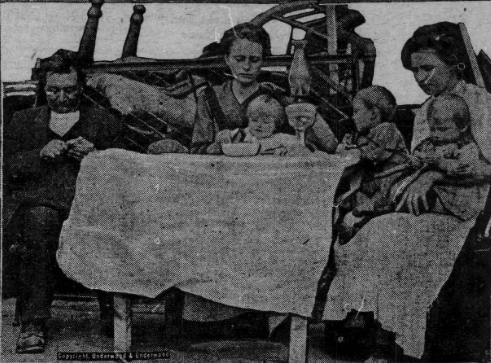
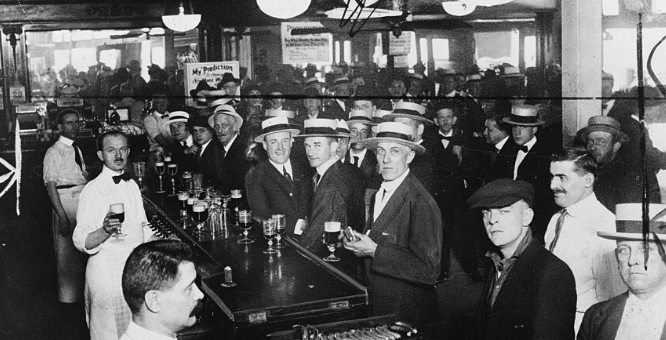
New York may have backed away from enforcing Prohibition, but Washington had no intention of doing the same.
In June 1923, Governor Al Smith approved the repeal of New York’s state prohibition enforcement law, a move that immediately raised questions about whether saloons and liquor sellers would begin operating more openly. Federal officials responded by making one thing clear: the Volstead Act still applied, and the federal government intended to enforce it.
President Warren G. Harding’s administration resisted calls for dramatic action, but officials were prepared to send additional prohibition agents into major cities if local enforcement weakened. At the same time, thousands of liquor vendors were reportedly ready to test just how far New York’s retreat from state enforcement would allow them to go.
The result was a growing showdown between state authority, federal law, and a public increasingly divided over Prohibition.
U.S. Will Force New York to Stay Dry

The federal government will force New York to obey the nation’s dry law, despite the action of Gov. Al Smith yesterday in approving repeal of the state dry enforcement code.
The government assumes New York officials will continue to cooperate in enforcing the Volstead Act.
These statements represent the administration’s attitude as the result of Smith’s action.
No Hysteria
President Harding and Prohibition Commissioner Haynes will not be stampeded into “hysterical” action by prophets of “prohibition rebellion.” Available dry agents will be sent to counteract letup in enforcement by authorities in the big cities.
Later, if state officials fail to support the federal law, they may be called on to do their duty.
Harding will confer with Haynes and Secretary Mellon who may advise him to ask Congress for more money and men.
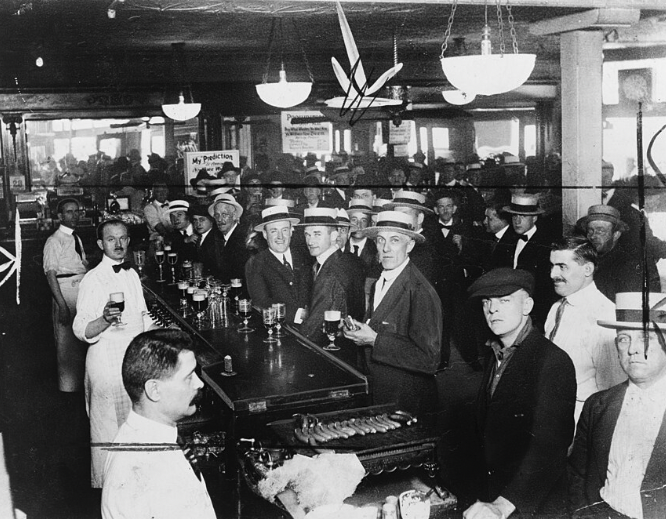
Booze Vendors Ready
Though Smith, in a long statement, warned wets, every citizen should obey the Volstead Act, thousands of New York liquor vendors are ready to begin “wide-open selling.”
The scores of saloons and cafes where liquor already is sold will increase in number and boldness if police keep “hands off,” as the normal federal forces are inadequate.
Smith contended neither the 18th amendment, the Volstead Act, nor the Supreme Court imposes any obligation on the state to pass a law incorporating the Volstead Act’s provisions.
No Surprise
His action caused no surprise here or in New York. Wets and drys privately agreed he had but one choice — to stand by his friends and sign the bill. He thereby eliminated himself as presidential figure. Republicans were pleased, Democrats silent.
Wets will try to modify the Volstead law in Congress, but the drys and the administration are expected to sidetrack their efforts. The wets will also seek to follow up their victory at the Democratic convention.
Source: The Washington Daily News. Washington, D.C. June 2, 1923.