In the summer of 1919, candy dealers noticed an unexpected change in their customers. Men who had once dismissed sweets as something meant primarily for women were reportedly buying candy in remarkable quantities, and some wholesalers believed they knew why.
Candy, they claimed, was becoming a substitute for alcohol.
According to a newspaper report published that July, men attempting to avoid drinking were turning instead to after-dinner mints, chocolates, and other sweets to satisfy the craving for something pleasurable after a meal. Strongly vanilla-flavored chocolates were enjoying particularly heavy sales, while after-dinner mints had become more popular than ever.
The sudden appetite for sweets was helping create a boom for candy wholesalers. Chocolate prices had risen by seven cents a pound, summer sales were unusually strong, and some firms had reportedly already sold their available supplies months in advance.
Unfortunately for candy makers, demand was increasing at the same time ingredients were becoming difficult to obtain.
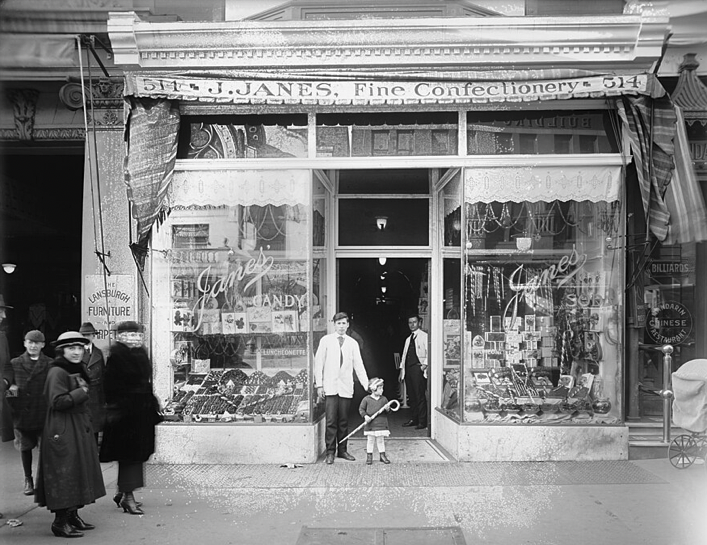
A shortage of sugar was creating serious problems because manufacturers simply could not secure enough sugar to meet demand.
Nuts presented another difficulty. English walnuts, Spanish almonds, and the Spanish peanuts commonly used in peanut brittle were reportedly becoming almost impossible to obtain.
The result was an unusual economic problem: Americans wanted more candy just as candy manufacturers were struggling to make it.
Candy Satisfies Desire For Drink
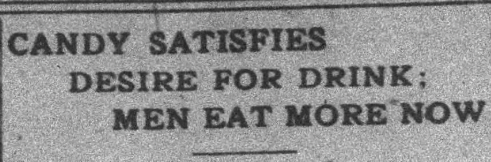
Men who formerly considered candy as “soft stuff for women” are now, according to some of the wholesale dealers, eating it in large quantities to take away the desire for a drink.
After-dinner mints are more popular than ever and chocolate candy with a strong vanilla flavor has had the biggest sale in years.
During the past month, chocolate has advanced 7 cents a pound. Many of the wholesale firms have sold out up to next December, their summer sales being larger than they have been for years, with orders still coming in.
Moreover, the sugar shortage deepens the seriousness of the situation. It is not a question of price, as many persons will buy sweets at exorbitant rates, but a question of getting sugar.
English walnuts and Spanish almonds, as well as the Spanish peanuts used for peanut brittle, are almost impossible to get, some dealers say, so that many of the nut candies used last winter as a sugar-saving measure cannot be made this season.
Source: Evening Capital and Maryland Gazette. Annapolis, Md. July 23, 1919.