Category: U.S. Historical News
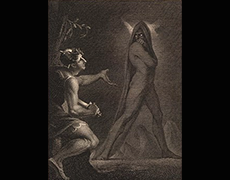
5 Things to Know About Tartarus in Ancient Roman Mythology
Tartarus, also known as the Pit of Despair, was a concept in ancient Roman mythology that represented a place of punishment for the wicked. Here…
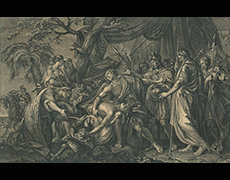
The Parentage and Invincibility of Achilles
Achilles, the legendary Greek hero of the Trojan War, was the son of Peleus, the king of the Myrmidons, and the sea-goddess Thetis. According to…

The Significance of Cremation in Ancient Roman Funeral Practices
Cremation was a common funeral practice in ancient Rome, especially during the Republic and early Empire periods. The process of cremation involved burning the body…
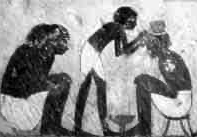
Barber-Surgeons in Ancient Egypt
In ancient Egypt, barber-surgeons were highly valued professionals who played a crucial role in society. They were responsible for cutting hair, giving shaves, and performing…
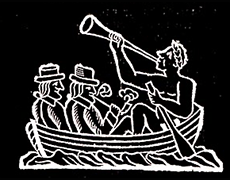
Charon: The Ferryman of the Underworld in Roman Mythology
Charon, the Ferryman of the Underworld, is a prominent figure in Roman mythology and religion. He is responsible for transporting souls across the rivers Styx…
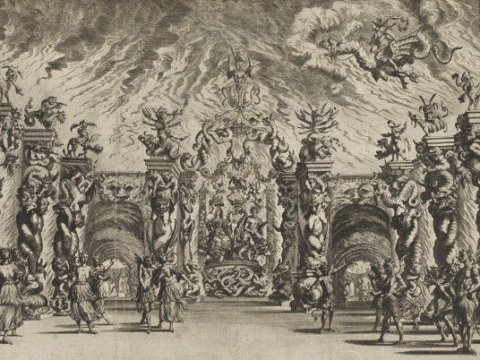
Journeys to the Underworld: Ancient Roman Traditions of the Afterlife
The ancient Romans had a rich and fascinating concept of the afterlife, which was deeply intertwined with their religious beliefs and practices. One of the…
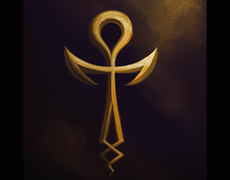
The Significance of the Ankh: An Exploration of the Ancient Egyptian Cross of Life
The Ankh, also known as the “cross of life” or “key of the Nile”, is an ancient Egyptian symbol that represents the union of male…
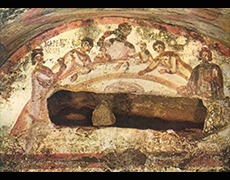
Agape: The Meaning and Significance of Unconditional Love in Christianity and Beyond
Agape is a Greek word that means “unconditional love”. It is often used in the context of the Christian faith to describe the selfless love…
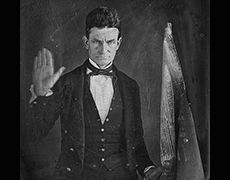
John Brown: The Abolitionist Who Challenged Slavery Through Violence
John Brown (May 9, 1800 – December 2, 1859) was an American abolitionist who believed in the violent overthrow of slavery. He led several armed…
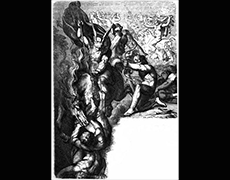
The Epic Norse Battle of Aesir and Vanir: Why Did the Norse Gods Fight Among Themselves?
Norse mythology is rich in tales of battles and wars between various groups of gods and giants. One such battle was the war between the…